
Everest Region
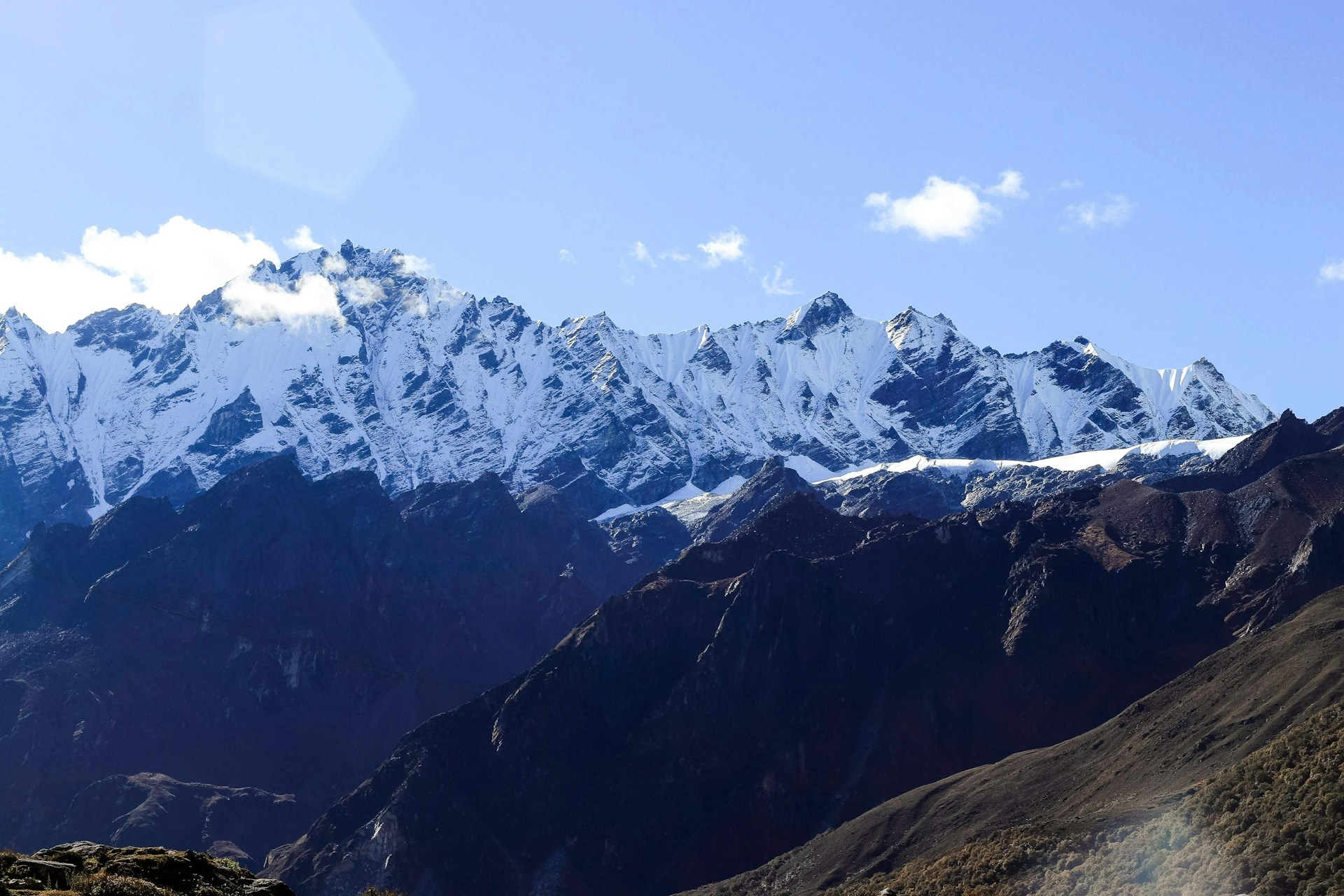
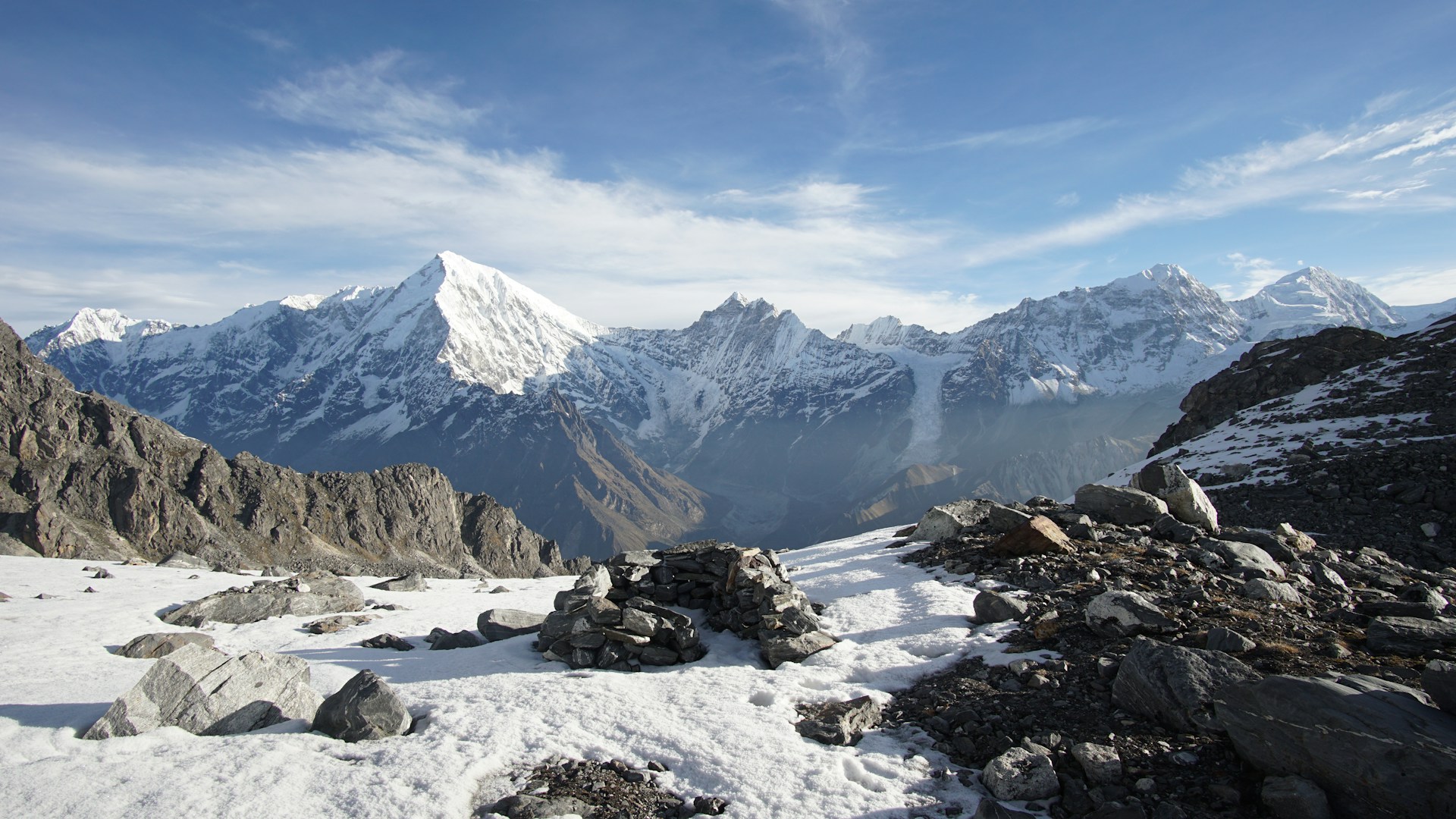
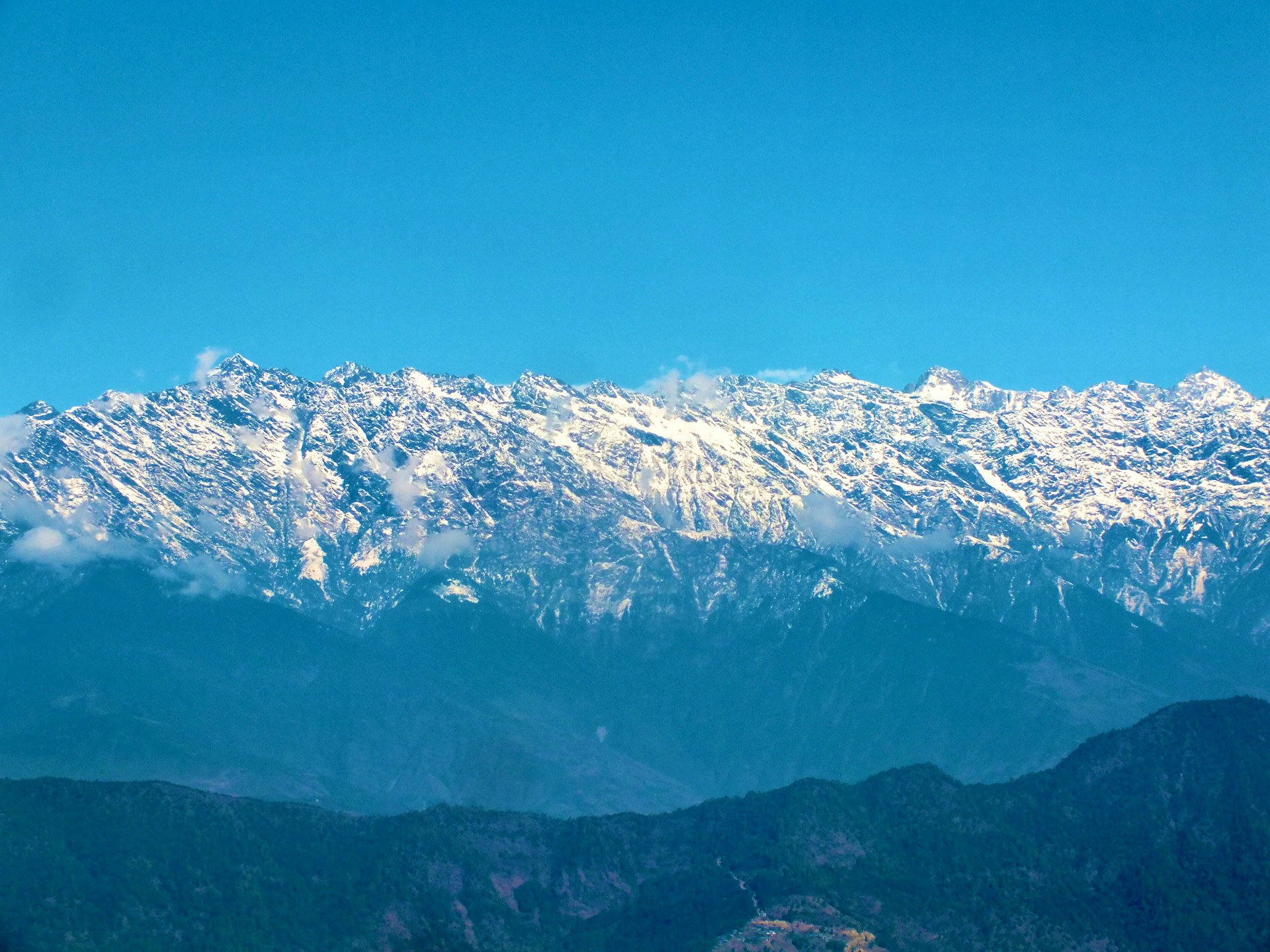
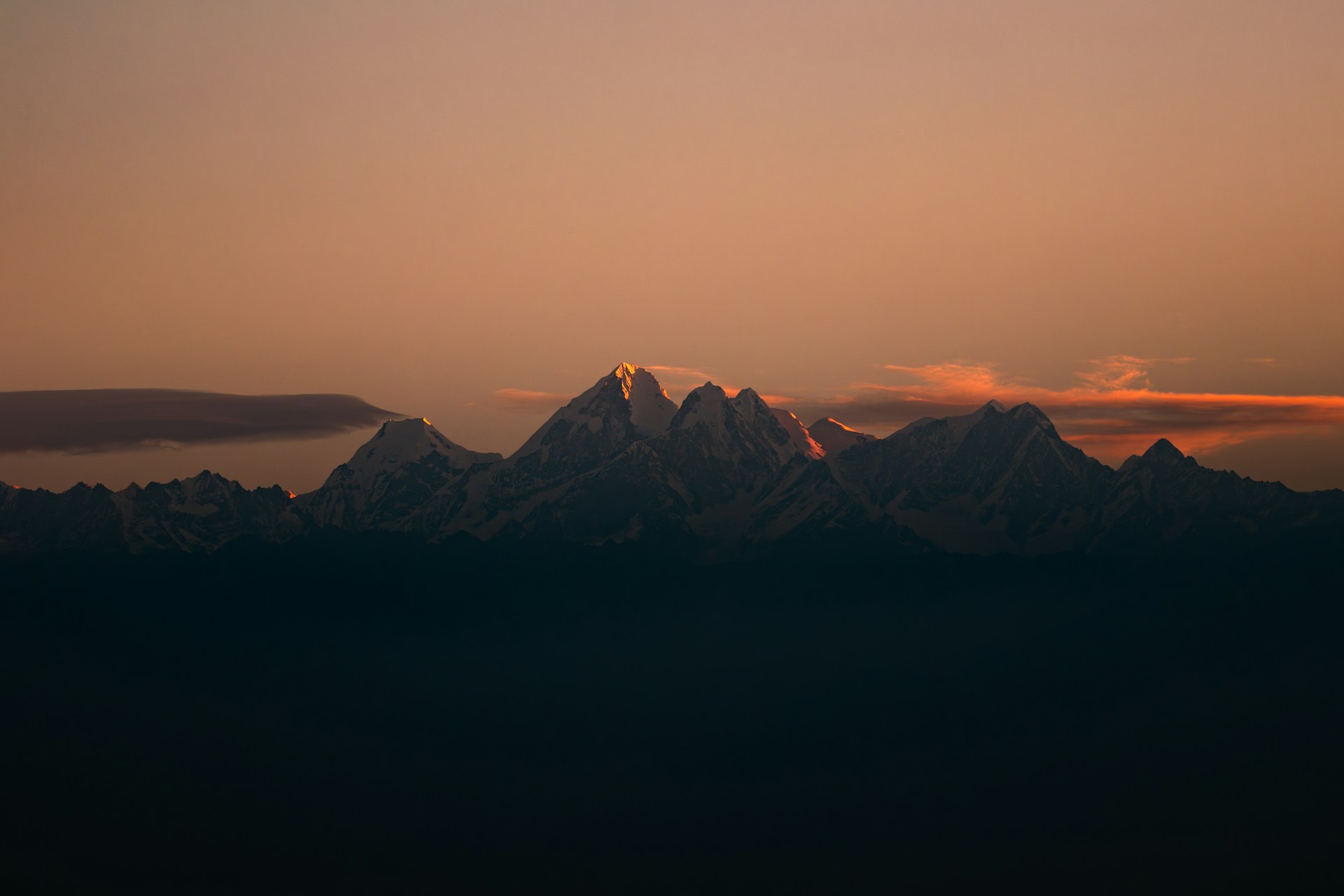

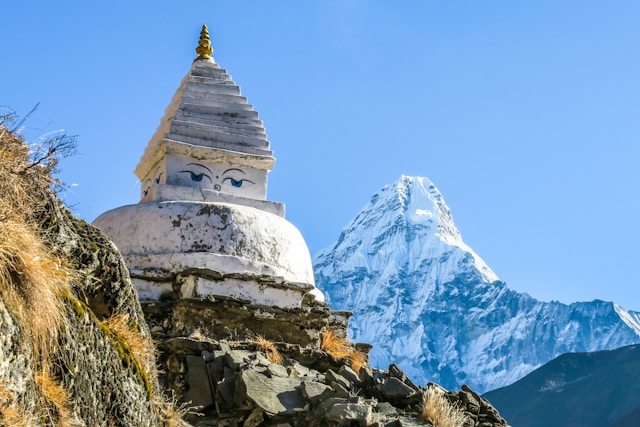
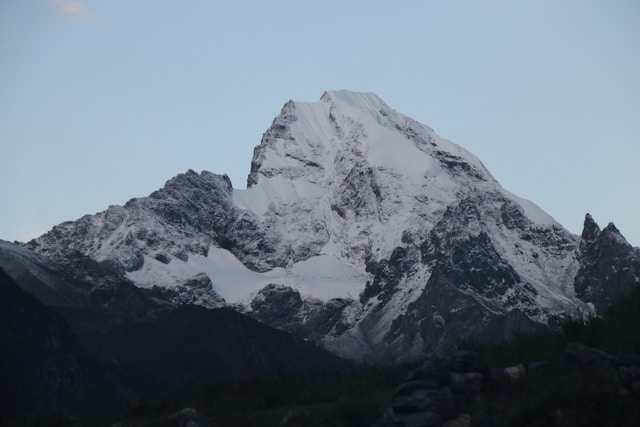
The Everest Region, often regarded as the crown jewel of Nepal, offers an unparalleled journey into the heart of the Himalayas. Home to the world’s highest peak, Mount Everest (8,848 meters), this region is a dream destination for trekkers, mountaineers, and adventure seekers alike. Beyond the towering peaks, the Everest Region presents a rich tapestry of culture, breathtaking landscapes, and memorable experiences that captivate travelers from around the globe.
The journey to Everest typically begins with a scenic flight from Kathmandu to Lukla, a small airport perched amidst dramatic mountains. The moment the plane lands, travelers are greeted by crisp mountain air and panoramic views of snow-capped peaks. From here, the trek winds through rhododendron forests, suspension bridges over roaring rivers, and picturesque Sherpa villages. Each step reveals the intricate harmony between nature and human settlement in this high-altitude landscape.
Namche Bazaar, the bustling hub of the region, is a cultural and commercial center where trekkers can acclimatize, explore local markets, and interact with the friendly Sherpa community. The Sherpas are renowned for their resilience, mountaineering skills, and deep-rooted Buddhist traditions, which travelers can observe in ancient monasteries, prayer flags, and ceremonial rituals. Visiting the Tengboche Monastery, the largest in the region, offers a spiritual glimpse into the local way of life and provides awe-inspiring views of Everest and surrounding peaks.
The trek further ascends through Pangboche, Dingboche, and Lobuche, each village offering unique insights into high-altitude living. Lodges and tea houses provide warm hospitality, home-cooked meals, and a place to rest after long days of trekking. Along the way, trekkers are rewarded with extraordinary vistas: glaciers, rugged mountain ridges, and valleys carved by centuries of natural forces.
Reaching Everest Base Camp (5,364 meters) is the pinnacle of the journey. Standing at the foot of the world’s highest mountain, trekkers experience a profound sense of achievement. The base camp is not just a physical destination but a symbol of human perseverance and ambition. Here, the Khumbu Glacier winds like a frozen river, and the mighty Everest towers above, its snow-laden peak piercing the sky.
Apart from Everest, the region is home to several other majestic peaks like Lhotse, Nuptse, Ama Dablam, and Cho Oyu. Each mountain has its own personality, adding to the scenic diversity and trekking excitement. Nature enthusiasts will also appreciate the rich biodiversity of the Sagarmatha National Park, a UNESCO World Heritage Site. The park shelters rare animals such as the snow leopard, Himalayan tahr, red panda, and an array of high-altitude birds, offering memorable wildlife encounters along the trails.
For adventure seekers, the Everest Region is not limited to trekking alone. Opportunities abound for mountaineering, helicopter tours, high-altitude photography, and exploring nearby glaciers and ridges. The combination of adrenaline, natural beauty, and cultural immersion makes this region a once-in-a-lifetime experience.
The region also reflects the resilience of the local communities, who have thrived in extreme altitudes for centuries. Their architecture, cuisine, and festivals offer travelers a profound connection to the land and its heritage. From the vibrant prayer flags fluttering against the stark mountain backdrop to the melodious chants echoing in monasteries, the Everest Region is a sensory journey that leaves an indelible mark on every visitor.
In essence, the Everest Region is a harmonious blend of adventure, spirituality, and natural wonder. It’s a destination that challenges, inspires, and rejuvenates, offering travelers not just a trek, but an unforgettable experience etched in the memory forever.
The Everest Region, with its dramatic peaks and high-altitude trails, is a destination best visited with careful consideration of the seasons. The region experiences two primary trekking seasons: spring (March to May) and autumn (September to November). These periods offer the most favorable weather conditions, making them ideal for trekking and sightseeing.
Spring (March to May) is a spectacular season in the Everest Region. During these months, the weather gradually warms, and the rhododendron forests along the trails burst into vibrant colors. Clear skies dominate the landscape, providing stunning panoramic views of Everest, Lhotse, Ama Dablam, and other surrounding peaks. Spring is also an excellent time to observe local wildlife and witness the unique flora of the high-altitude terrain. While temperatures are moderate during the day, nights can still be cold, especially at higher elevations, so trekkers should be prepared with appropriate gear. This season is particularly popular for trekking, offering a lively atmosphere along the trails.
Autumn (September to November) is widely regarded as the peak trekking season in the Everest Region. Post-monsoon weather brings clear skies, minimal rainfall, and excellent visibility of the Himalayan range. The trails are dry and stable, reducing the risks of landslides and slippery paths. This season also coincides with local festivals and cultural celebrations, providing trekkers with an opportunity to experience Sherpa traditions and vibrant community life. The temperatures are comfortable for trekking, although higher elevations still require warm clothing. Autumn offers some of the best photographic opportunities, with sharp, dramatic landscapes and brilliant sunrise and sunset vistas.
Summer/Monsoon (June to August) is generally not recommended for trekking in the Everest Region. Heavy rainfall during this period can lead to muddy and slippery trails, frequent landslides, and limited visibility. While the valleys and lower trails are lush and green, trekking becomes more challenging and risky. However, for those seeking solitude and fewer crowds, trekking during the early monsoon period can provide a serene experience, but proper preparation and guidance are essential.
Winter (December to February) offers another unique perspective of the Everest Region. With cold temperatures and occasional snowfall, the trails are less crowded, providing a peaceful and quiet trekking experience. The air is crisp, and the mountain views can be extraordinary on clear days. However, extreme cold, icy trails, and limited accommodation options at higher altitudes make winter trekking suitable only for experienced and well-prepared adventurers.
When planning a trip to the Everest Region, it’s essential to consider acclimatization. Even in the best seasons, the high-altitude environment can pose challenges such as altitude sickness. Proper pacing, rest days, and gradual ascent are critical to ensure a safe and enjoyable journey.
In addition to weather considerations, trekkers should plan for logistical factors such as flights to Lukla, accommodation bookings, and necessary permits. During the peak seasons, advance arrangements are recommended to avoid inconveniences, as the region attracts travelers from around the world.
Overall, spring and autumn are the optimal times for visiting the Everest Region, offering the perfect combination of pleasant weather, clear mountain views, and vibrant cultural experiences. Monsoon and winter seasons, while less popular, provide unique alternatives for travelers seeking adventure away from the crowds, but they require careful preparation and awareness of potential challenges.